
Daily Habits for Sore Knees: A JointVance Guideline Summary
Exercise has the strongest evidence for knee arthritis, followed by weight loss of 5% or more for people who are overweight. The 2019 ACR/Arthritis Foundation guideline also strongly recommends tai chi, self-management programs, a cane and a knee brace. It strongly recommends against glucosamine and chondroitin and did not assess turmeric.
What actually helps knee arthritis? The guideline in one table
The American College of Rheumatology and the Arthritis Foundation publish the main US guideline for osteoarthritis. The 2019 version graded each option by strength of evidence (ACR/Arthritis Foundation guideline, 2019). A 2026 update kept the core advice (ACR OA guideline update summary, 2026).
The good news is that the strongest options are things you can start at home. Most cost little or nothing.
ACR/Arthritis Foundation 2019 guideline, simplified
| Option | Guideline grade | For which joints |
|---|---|---|
| Exercise | Strongly recommended | All osteoarthritis |
| Weight loss (if overweight) | Strongly recommended | Knee and hip |
| Tai chi | Strongly recommended | Knee and hip |
| Self-management programs | Strongly recommended | All osteoarthritis |
| Cane | Strongly recommended | Knee and hip |
| Tibiofemoral knee brace | Strongly recommended | Knee |
| Oral NSAIDs; topical NSAIDs | Strongly recommended | All; topical for knee |
| Glucosamine | Strongly recommended against | Knee, hip and hand |
| Chondroitin | Strongly recommended against | Knee and hip |
| Turmeric | Not assessed | Most nutraceuticals were left out |
Why exercise is the first knee habit that works
Exercise is the one option the guideline strongly recommends for everyone with osteoarthritis. NIAMS explains why: it can lower joint pain and stiffness and build flexibility and strength. Its advice is to start slowly (NIAMS Osteoarthritis).
Strong thigh muscles take some of the load off the knee. Moving the joint also helps it feel less stiff. You do not need a gym. Climbing stairs with care, standing up from a chair or getting down on the floor with grandkids all use the same muscles.
- 1
Warm up gently
Five minutes of easy walking or marching in place.
- 2
Build the thighs
Sit-to-stand from a sturdy chair, slow and controlled. Start with a few and add more over the weeks.
- 3
Move every day
Short walks spread through the day count. Water exercise or cycling is easier on sore knees.
- 4
Use a 2-hour check
A common rule of thumb: some soreness is normal. If pain is clearly worse 2 hours later, do a little less next time.
A physical therapist can build a plan around your knees. Ask your doctor for a referral if you are unsure where to begin.
Pain often makes people move less, and moving less makes the thigh muscles weaker. Weaker muscles then put more strain on the knee. Gentle, regular exercise breaks that loop. The first two or three weeks are often the hardest, so keep the goal small at first.
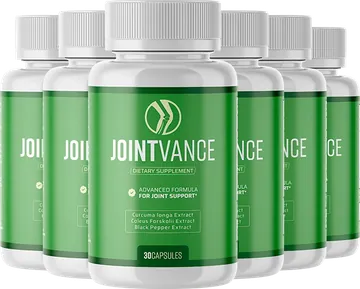
Ready to try JointVance?
Best value$49 a bottle · $294 for 6 $1,074
How much does weight loss help knee pain?
For people with knee or hip arthritis who carry extra weight, the guideline strongly recommends weight loss. Losing 5% or more of body weight can make a real difference. NIAMS adds that weight loss can lower pain and improve movement, especially in knees and hips.
Five percent is a smaller goal than many people expect.
Slow, steady loss is easier to keep. Pair a few food changes with the exercise above. Track your stairs score as you go.
Does tai chi help knee arthritis?
Yes. Tai chi is strongly recommended for knee and hip osteoarthritis. It mixes slow movement, balance and weight shifting, so it trains the legs without pounding the joints.
Community centers and senior programs may run beginner classes. Online videos work too. Look for classes made for arthritis or for older adults.
The guideline also strongly recommends self-management programs. These teach you how to pace activity, handle flare-ups and set small goals. Ask your doctor or local health system where to find one.
Tai chi
Slow, flowing movement. Builds leg strength and balance.
Self-management
Classes on pacing, flare-up plans and goal setting.
Balance work
Standing on one leg near a counter can help steady your steps.
Should you use a cane or a knee brace for arthritis?
Both are strongly recommended for the right person. A cane is recommended for knee or hip arthritis. A tibiofemoral knee brace is recommended for knee arthritis that affects the main part of the joint.
These aids are not a sign of giving up. They let you keep walking, which feeds the exercise habit.
Good shoes matter too. A cushioned, stable shoe with a low heel makes walking easier on sore knees. Bring your shoes to a physical therapy visit if you are unsure.
- Hold the cane in the hand opposite the sore knee.
- The top should reach your wrist crease when your arm hangs down.
- Move the cane and the sore leg forward together.
- On stairs: up with the good leg, down with the sore leg.
- Ask a physical therapist or doctor which brace type fits your knee.
- A brace should feel snug, not tight or numbing.
- Wear it for the activities that hurt most, such as long walks.
A simple daily knee routine you can keep
Small habits done every day beat a hard plan you stop after a week. Here is one simple shape for a day. Adjust it to how your knees feel.
Morning: loosen up
A few minutes of gentle knee bends and ankle pumps before you get out of bed or after a warm shower.
Midmorning: walk
A short walk, with a cane if you use one. Note how the stairs feel.
Afternoon: strength
A few slow sit-to-stands from a chair, and standing balance work near a counter.
Evening: tai chi or stretch
A short beginner tai chi video or gentle stretches.
Weekly: check in
Write down one number: your pain on stairs from 0 to 10. Look for the trend over weeks.
A pain score on stairs is a simple way to see whether anything you try, including a supplement, is making a difference. Our joint health guide has more ideas.
Start your 60-day window today
Best value$49 a bottle · $294 for 6 $1,074
Do joint supplements work for knees?
Most joint supplements have weak support. The guideline strongly recommends against glucosamine and chondroitin, the two best-known products. It conditionally recommends against fish oil and vitamin D for arthritis.
Turmeric was not assessed, because the guideline kept only pharmaceutical-grade products. Trials show a modest short-term pain effect at about 1,000 mg of curcumin a day. A Cochrane review of herbal remedies found mostly small effects (Cameron & Chrubasik, Cochrane 2014). Our turmeric and knee pain article covers that research.
How strongly the evidence supports each option (editorial summary of the guideline)
Where does JointVance fit with these knee habits?
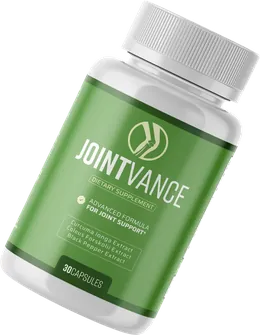
At most, JointVance is an add-on to the habits above. Its label claim is "Advanced Formula for Joint Support", with the FDA note. It is not an arthritis treatment, and its known curcuminoid dose is about 28.5 mg, far below the trial amount.
If you want to try it alongside exercise, read the side effects page first follow the how to use guide, and use your stairs score to judge it within the 60-day money-back window.
See a doctor for a hot, red or very swollen knee, pain after a fall, a knee that locks or gives way, or pain that keeps getting worse.
Knee habit questions
What actually helps knee arthritis pain?
Exercise and, for people who carry extra weight, weight loss have the strongest evidence. The arthritis guideline also strongly recommends tai chi, a cane, a knee brace for some people, and NSAIDs when a doctor agrees.
Do joint supplements work?
Most have weak or no support. The arthritis guideline strongly recommends against glucosamine and chondroitin. Turmeric shows a modest short-term effect in small trials but was not assessed by the guideline.
What is the best exercise for knee arthritis?
The best exercise is the one you will keep doing. Walking, strength work for the thigh muscles, water exercise, cycling and tai chi are all common choices. Start slowly and build up.
How much weight loss helps knee pain?
For people with knee or hip arthritis who are overweight, losing 5% or more of body weight can make a difference. For someone at 200 pounds, that is 10 pounds.
Does tai chi help knee arthritis?
Yes. The 2019 American College of Rheumatology and Arthritis Foundation guideline strongly recommends tai chi for knee and hip osteoarthritis.
Should I use a cane for knee arthritis?
A cane is strongly recommended in the guideline for knee or hip arthritis when pain or balance limits walking. Hold it in the hand opposite the sore knee.
Do knee braces work for arthritis?
The guideline strongly recommends a tibiofemoral knee brace for some people with knee arthritis. A physical therapist can help you choose and fit one.
Is glucosamine good for knees?
The guideline strongly recommends against glucosamine for knee, hip and hand osteoarthritis, and a 2026 update kept that advice.
Is walking good for knee arthritis?
Yes, for most people. Walking is a simple form of the exercise the guideline strongly recommends. Start with short, flat walks and build up as your knees allow.
When should I see a doctor about knee pain?
See a doctor for a knee that is hot, red or very swollen, pain after a fall, a knee that gives way or locks, or pain that keeps getting worse.
What daily habits does the guideline back for sore knees with JointVance?
The guideline strongly backs exercise first, then weight loss of 5% or more if you are overweight, tai chi, self-management programs, a cane and a knee brace. JointVance is a once-a-day capsule you can add next to these habits.
Can JointVance replace exercise for knee comfort?
No. The guideline puts exercise first, and JointVance is a joint-support dietary supplement, not a replacement for movement. Many people keep one capsule a day with a glass of water alongside their routine.
What daily routine can I keep for sore knees?
Start with regular exercise, then add weight loss of 5% or more if you are overweight. Tai chi and a cane or brace are other options in the guideline.
Ready to try JointVance?
Order from the U.S. authorized merchant, keep your order email, and you are covered by the 60-day money-back guarantee. Questions first? Call +1 (302) 200-3480.
- Secure checkout
- 60-day money-back window
- Ships from the US
- Tracking by email
Keep reading
Joint health guide
Plain-English guide to knee, hip and hand joints: guideline basics, routines and when to see a doctor.
Read more →Who it's for
An eight-question fit check, plus who should ask a doctor before starting.
Read more →Does turmeric help knee pain?
What turmeric knee trials found, the size of the effect, the doses used and why cartilage did not change.
Read more →